
Articles
From Industrial Site to Social Space by Adaptive Reuse
With rapid urban growth, some existing buildings lose their function like industrial ones. Adaptive reuse (by serving the key concepts of sustainability) can change unused structures into new, functional buildings that can be used for a different purpose. These industrial buildings often represent a part of our history that should be preserved and transferred to the next generation. Necessary functions can be given to these structures affordably and can reduce the costs of construction by recognizing potential values.
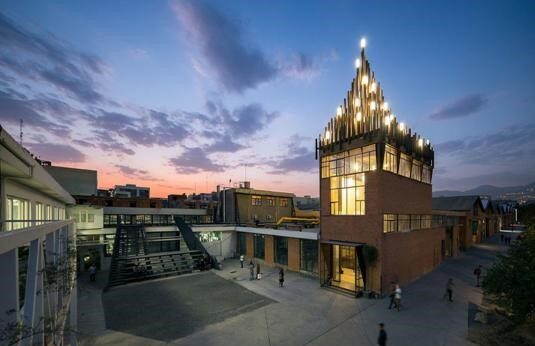
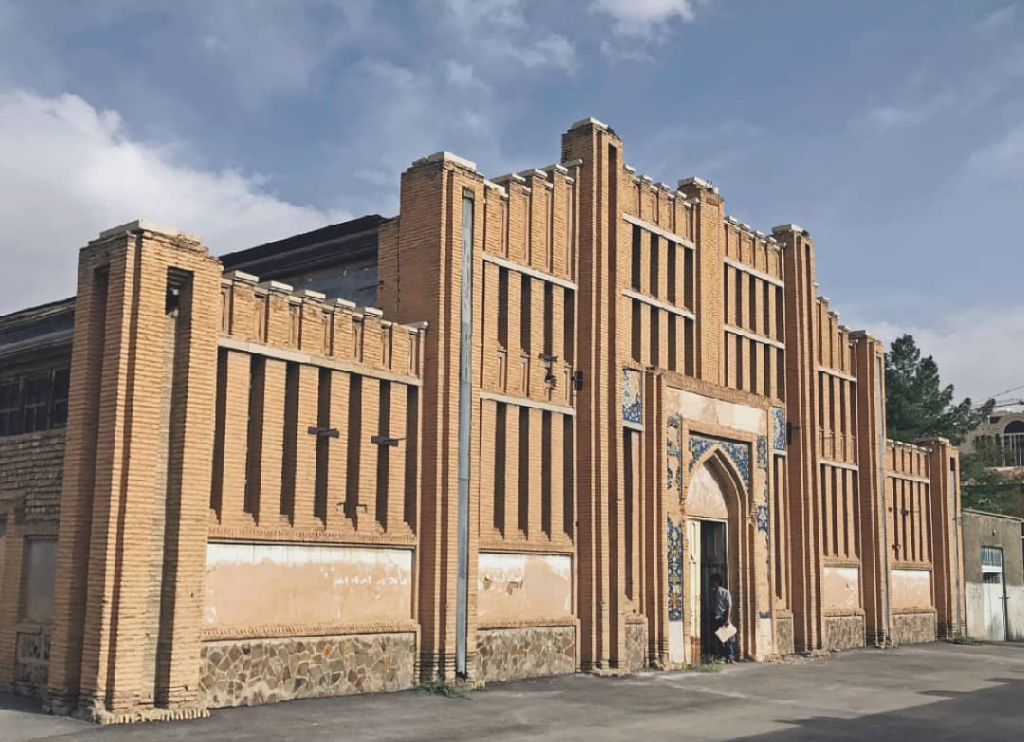
An Evaluation of Industrial Heritage and Sustainable Development in Isfahan, Iran
Industrial heritage is a manifestation of contemporary history and modernity in many countries like Iran. Even though in comparison with classic heritage with a long history they seem not important to preserve perfectly. Based on this point of view, in addition to the value of land in today’s location, as a result of urban development, and lack of knowledge in their potentials, they are mostly ignored. This paper tries to examine the importance of industrial heritage in sustainable urban development by getting an adaptive reuse approach; since cities can be seen as a dynamic process that changes by passing the time and based on citizens’ needs. In this regard, the Risbaf Textile Factory located in Isfahan, Iran, is evaluated in the Background and current situation. This factory is the last remnant of other industrial landscapes that were destroyed in the last years. Its significant industrial architecture can be good evidence of the industrial era of Iran to the future generation.