UX Research · Storytelling · Visitor Journey Mapping
Nominated and selected to present – Best Master’s Thesis of 2025
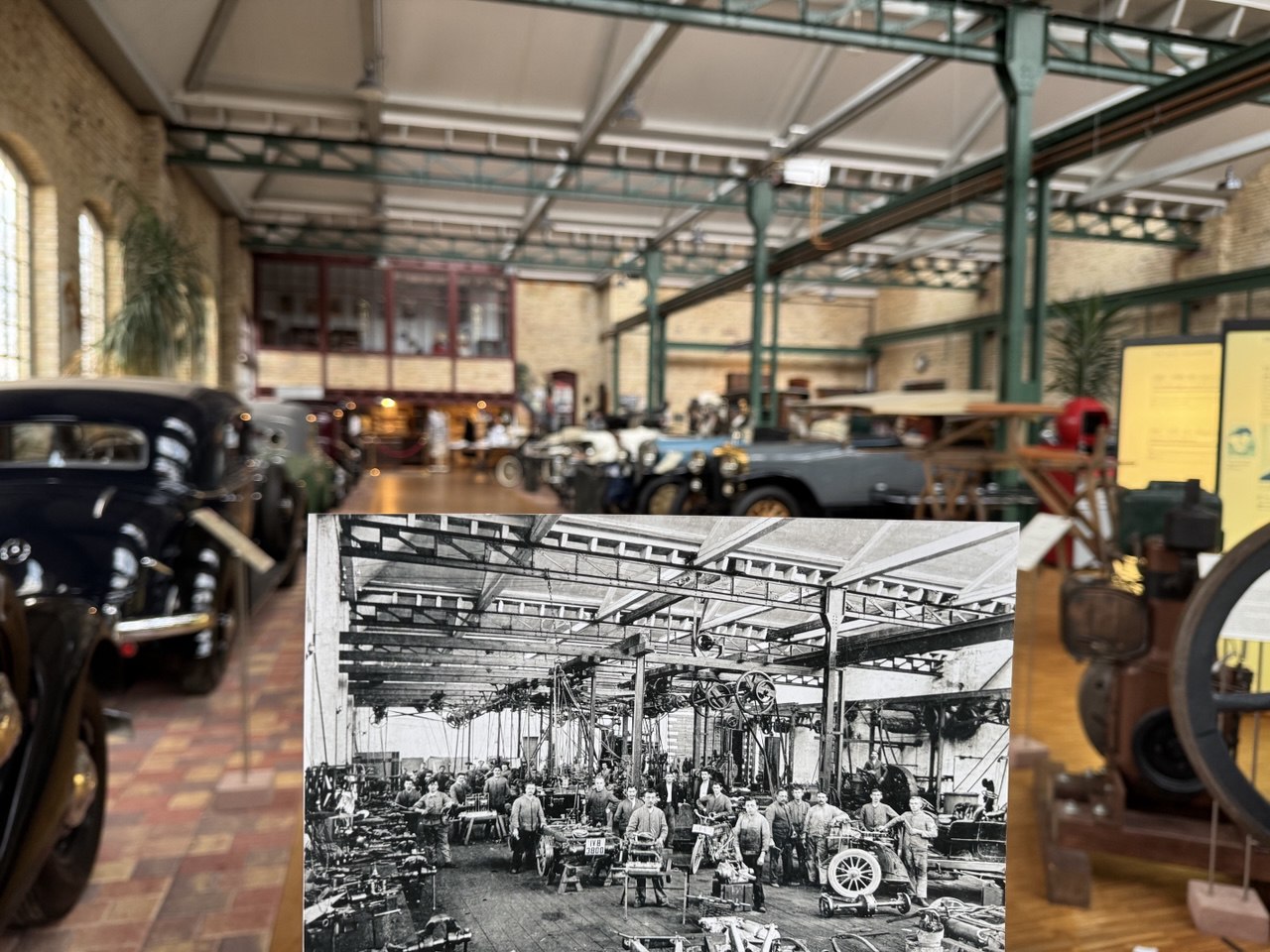
Past Meets Present: The Original Benz Factory in Ladenburg
Overview
How can a small, preservation-focused museum create emotionally engaging visitor experiences without high-tech installations or a big budget?
This was the central question of my master’s thesis, applied to the Automuseum Dr. Carl Benz in Ladenburg, housed in the original factory building where the first automobile was developed. The project was nominated and selected as the Best Master’s Thesis of 2025 at BTU.
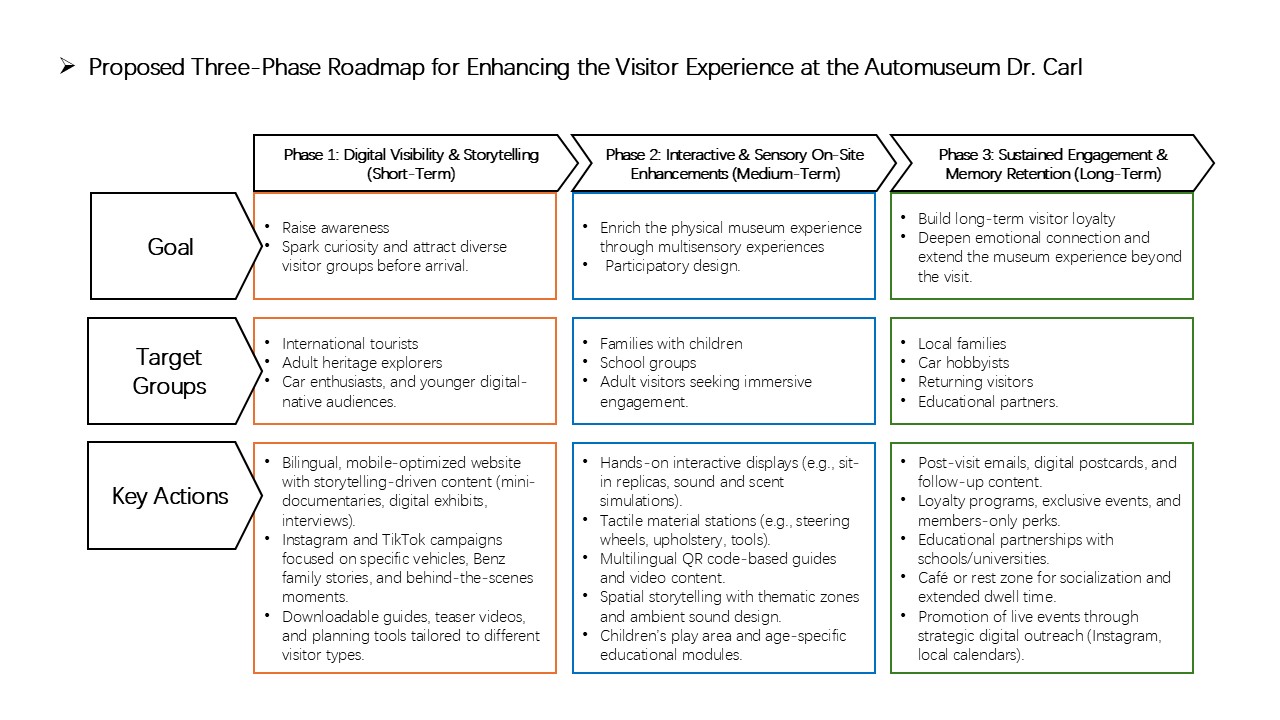
Deliverable: Research findings + three-phase improvement roadmap
Challenges
Small heritage museums face a real tension: they want to engage modern visitors emotionally and educationally, but have limited budgets and a responsibility to preserve authenticity. The question isn’t just what to design; it’s what can realistically be done within these constraints.
Approach
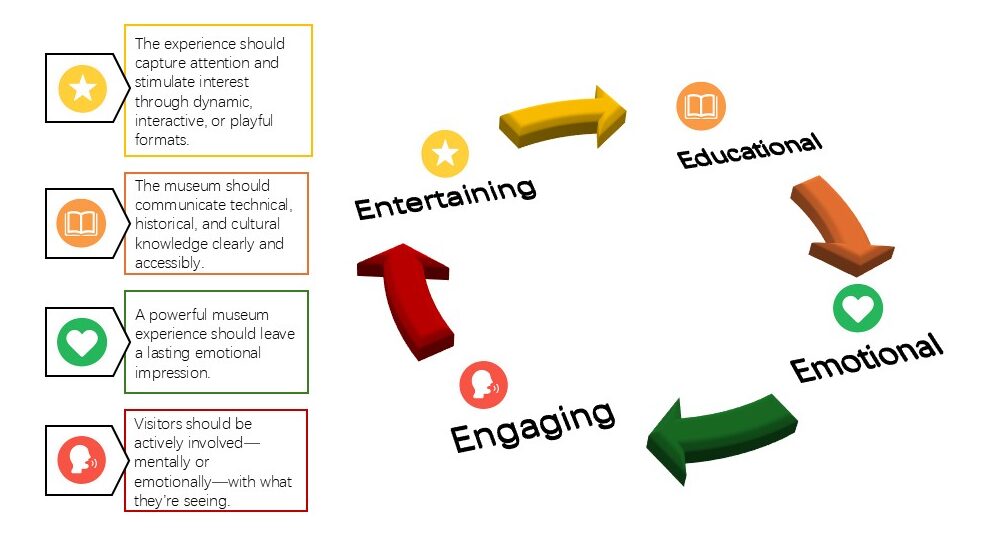
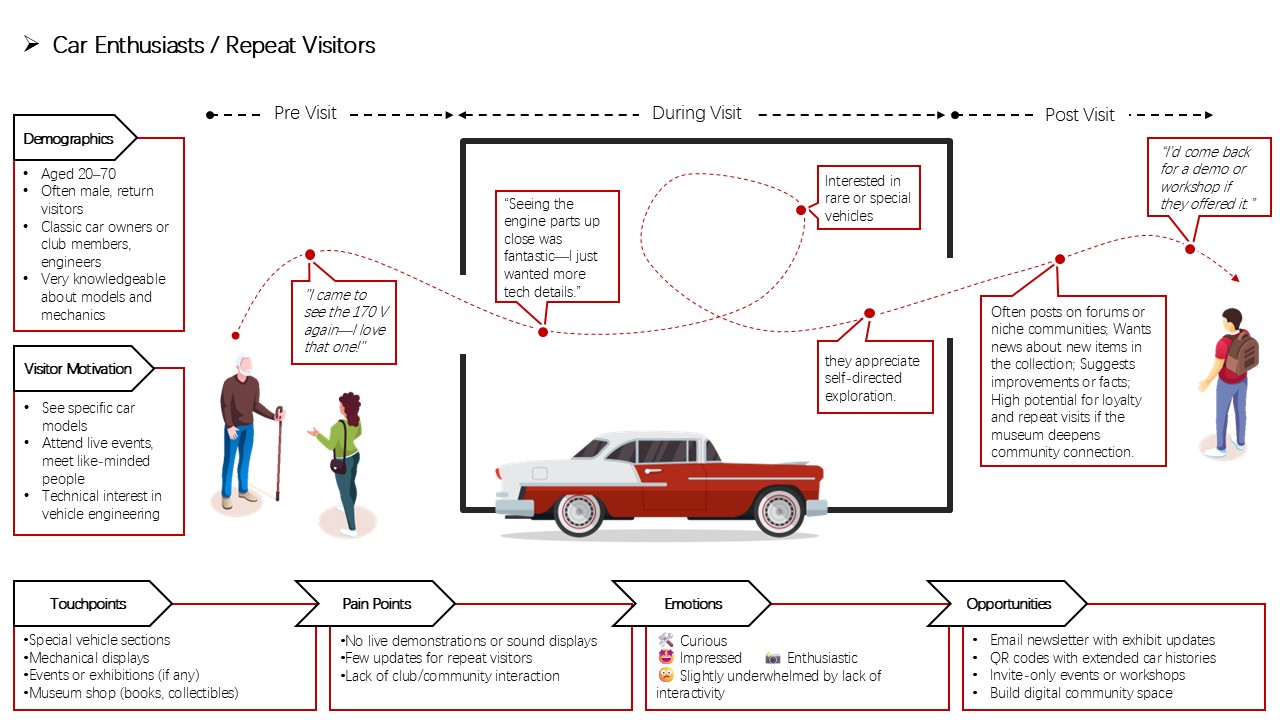
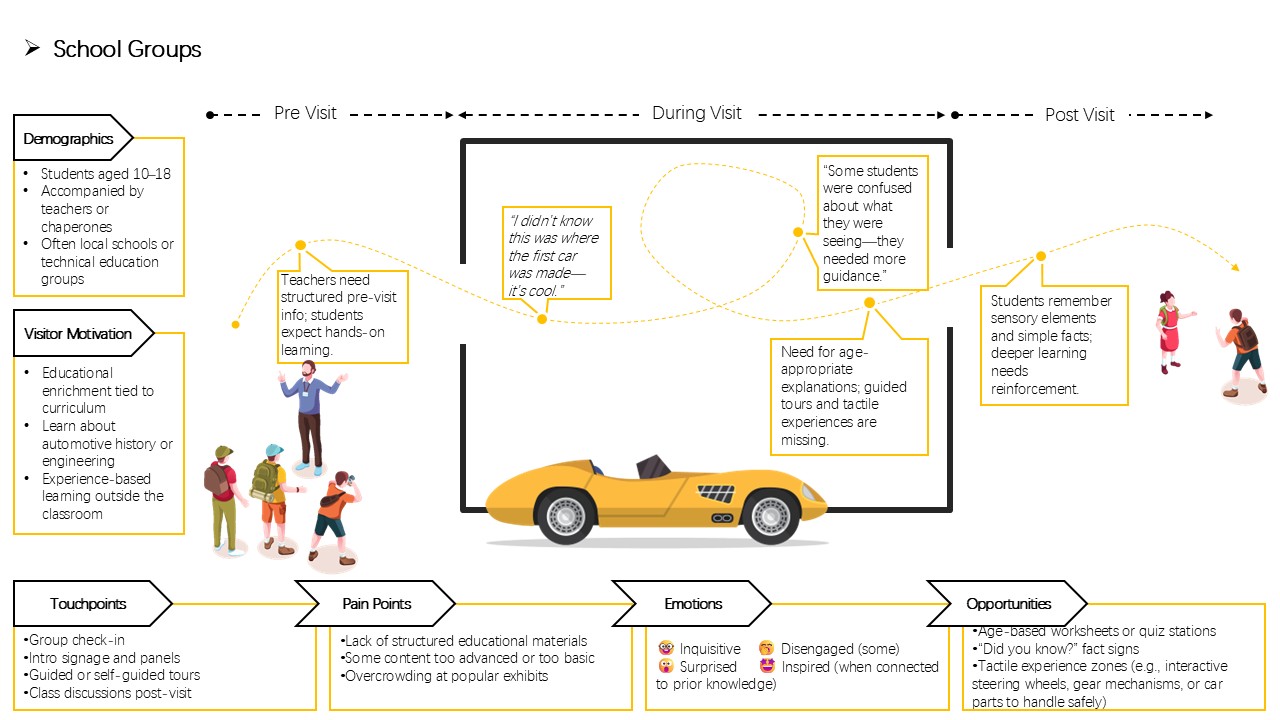
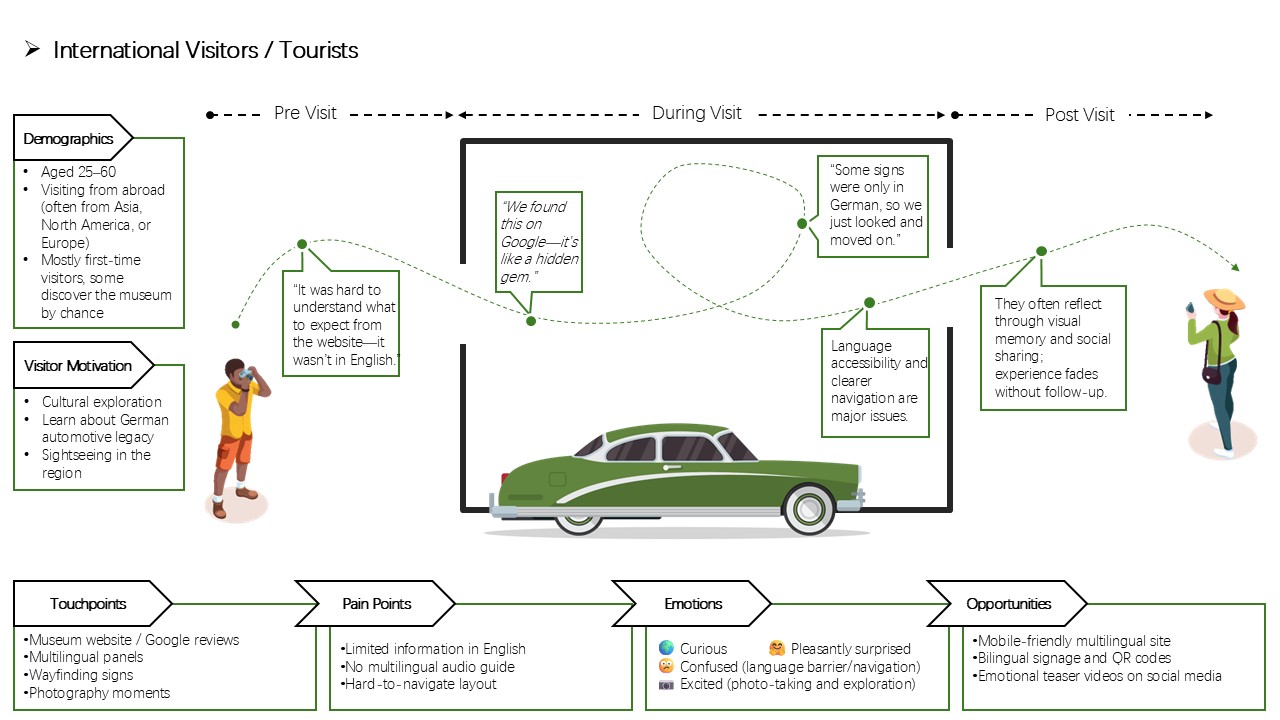
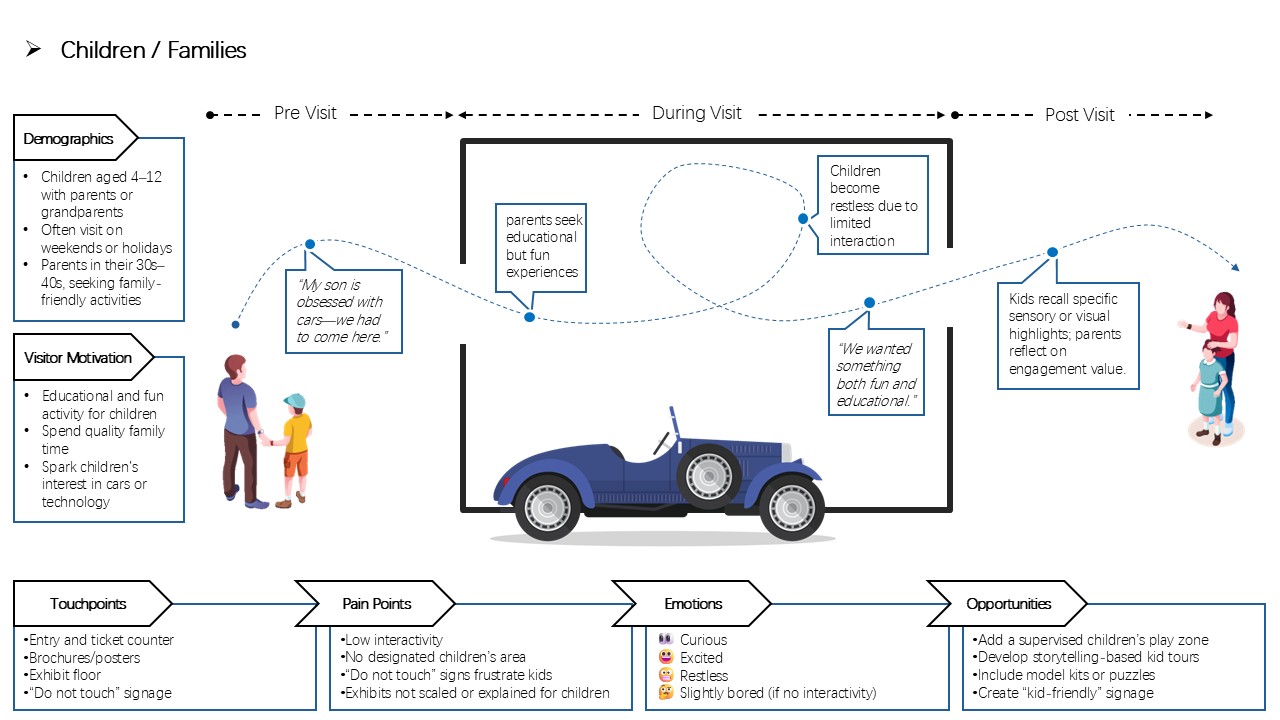
I combined museum studies, UX design, and cultural heritage interpretation into a user-centered research framework:
Extend Post-visit Engagement: Storytelling newsletters, community events, online memory sharing
Proposed Three-Phase Roadmap for Enhancing the Visitor Experience at the Automuseum Dr. Carl
Impact
This project shows how UX thinking and heritage storytelling can transform even small, low-tech museums into emotionally rich and memorable experiences, scalable for similar institutions worldwide. The work was recognized among the Best Master’s Thesis of 2025 at BTU.
This project would not have been possible without the generous collaboration of the Automuseum Dr. Carl Benz. I am especially grateful to Mr. Winfried A. Seidel, the museum’s founder, whose passion for preserving automotive heritage was a constant source of inspiration. From him, I learned the value of following your passion wholeheartedly and finding joy in your work, a lesson as timeless as the cars in his collection.